
AMPATH Global Leaders Learn from Each Other
For more than three decades, AMPATH has stood as a model for long-term partnership between universities, academic medical centers and public health systems to improve health in low-resource settings. What began as a collaboration between Indiana University and Moi University in Kenya has grown into a global network across four continents.

The 2025 Global Gathering hosted by the University of Texas (UT) at Austin celebrated that growth while challenging more than 100 AMPATH Global leaders from around the world to imagine what comes next.
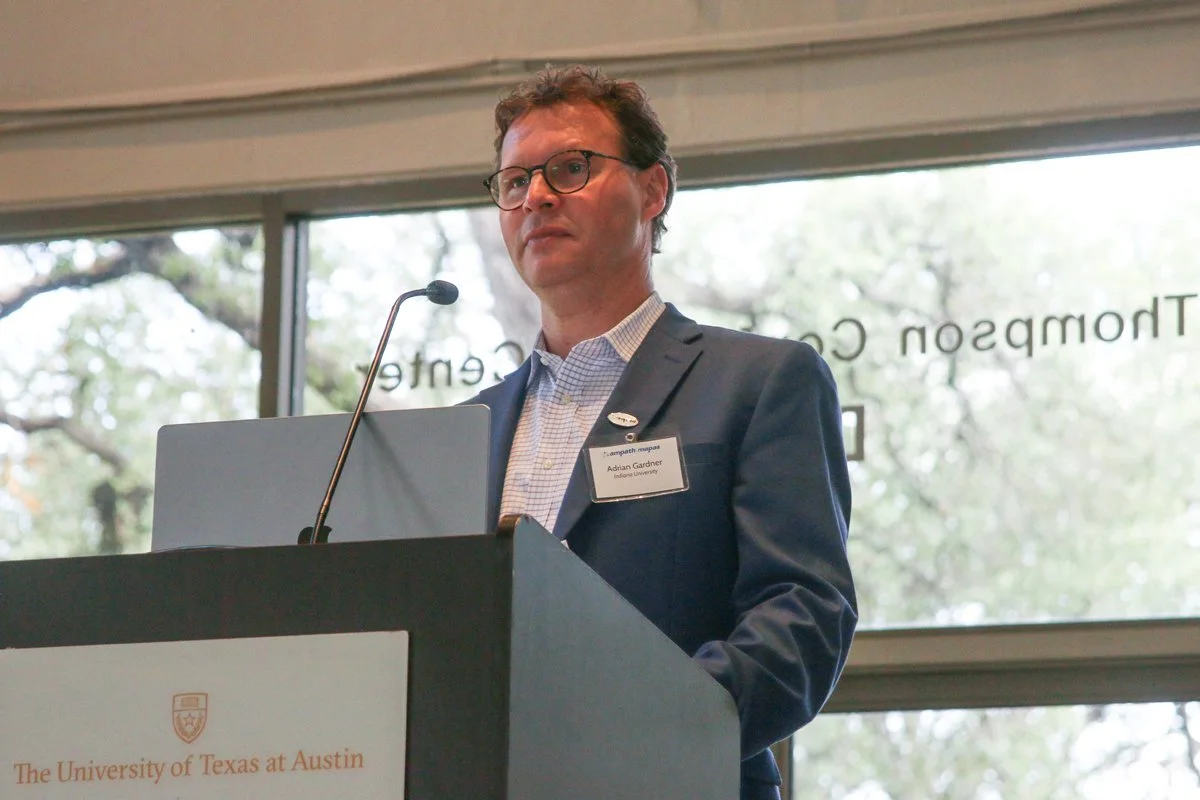
“AMPATH has always been about more than delivering care,” said Dr. Adrian Gardner, director of the Indiana University Center for Global Health and executive director of the AMPATH Consortium. “It’s about building something bigger than any one institution — a partnership that can transform health systems and change lives around the world.”
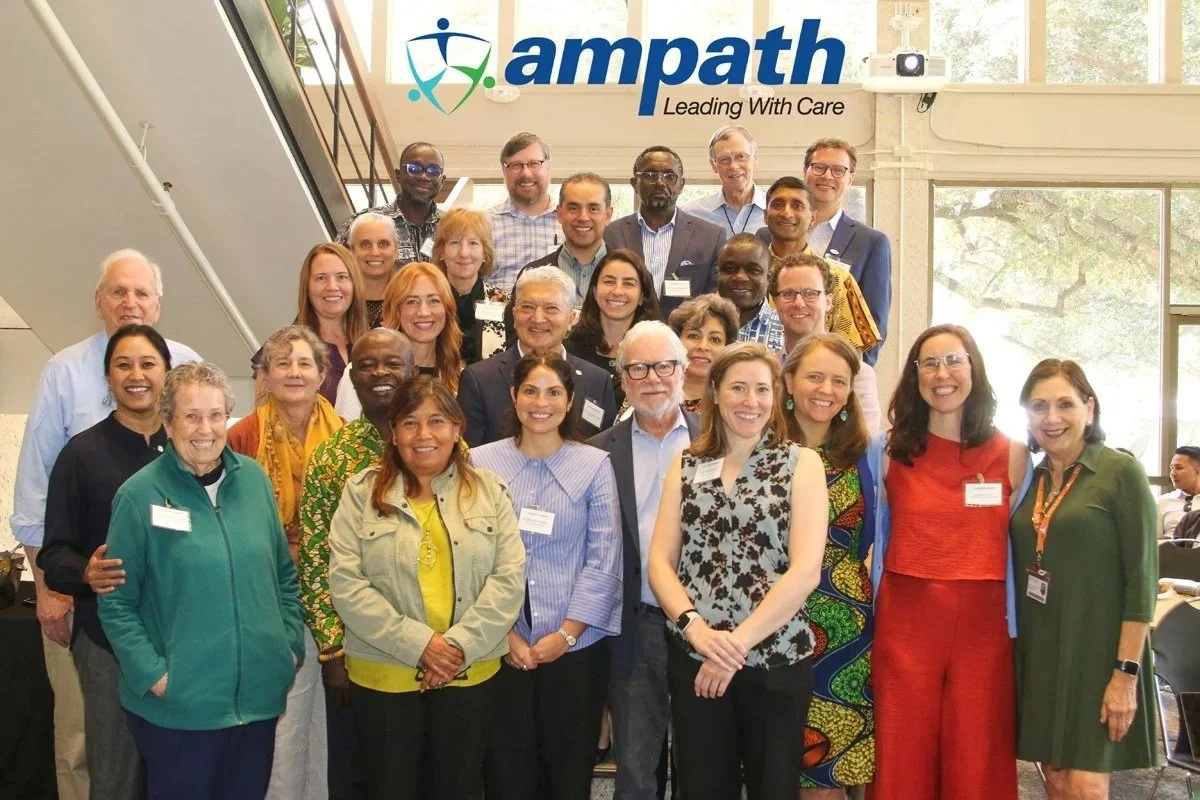
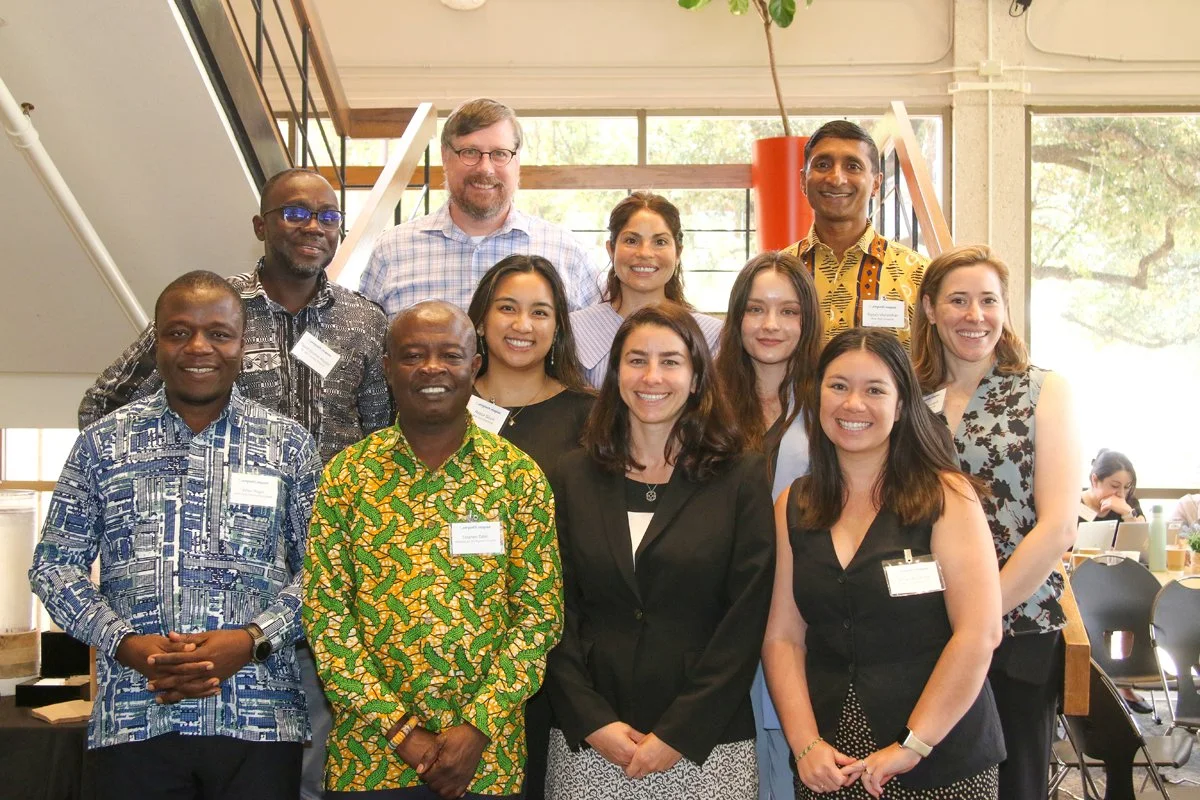
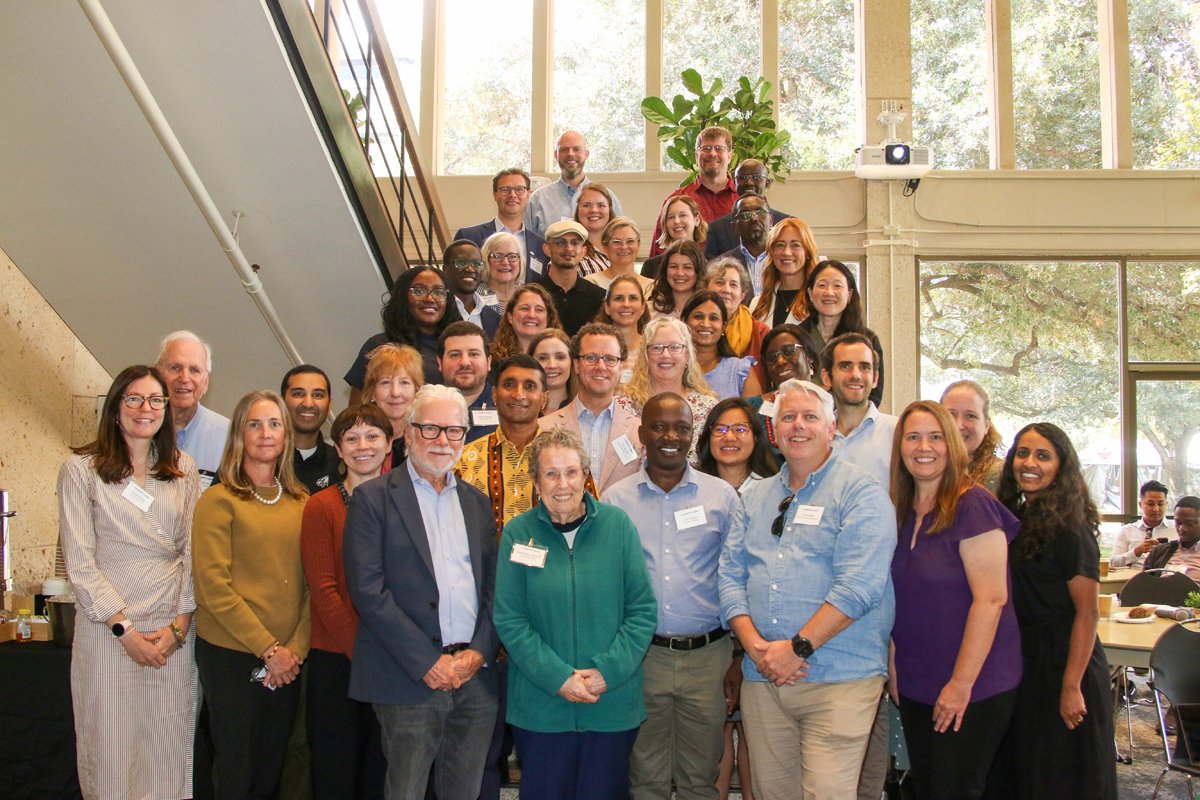
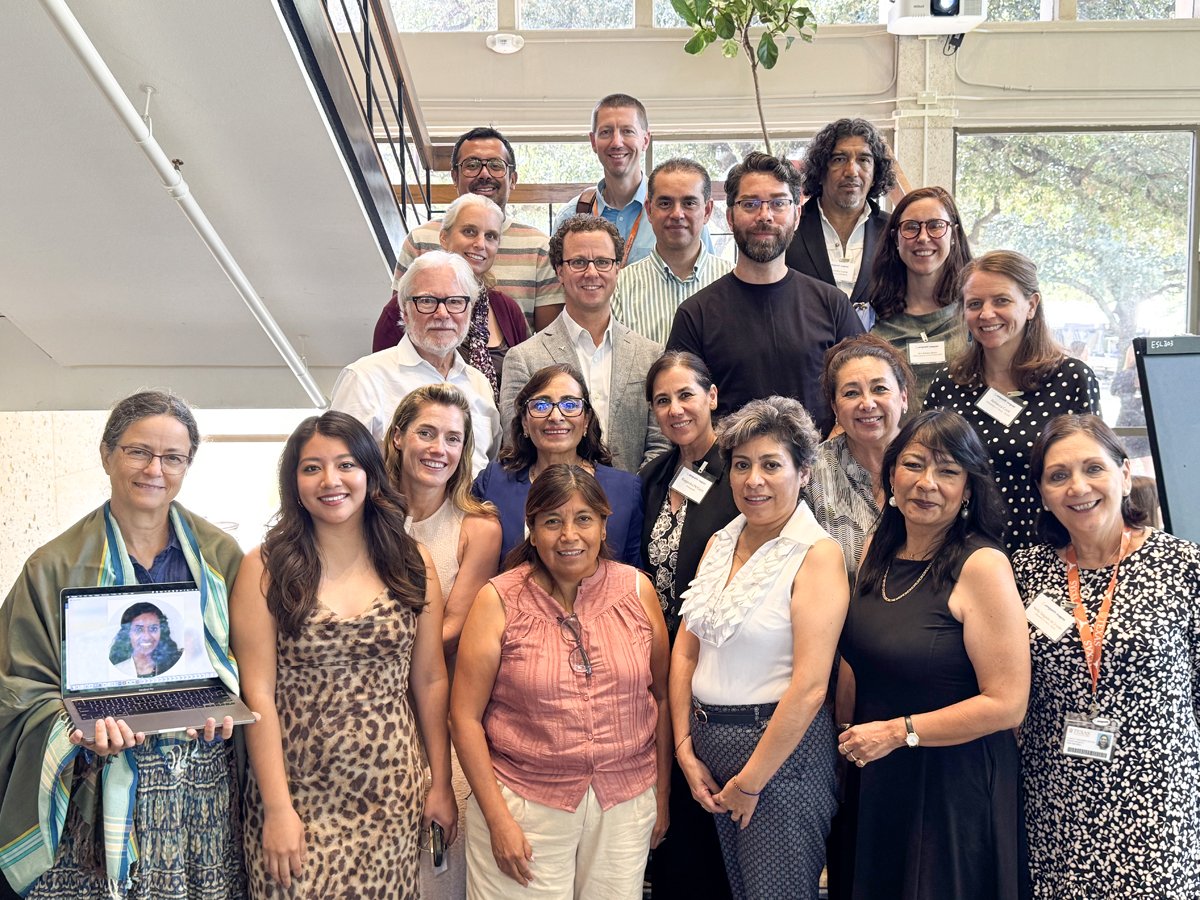
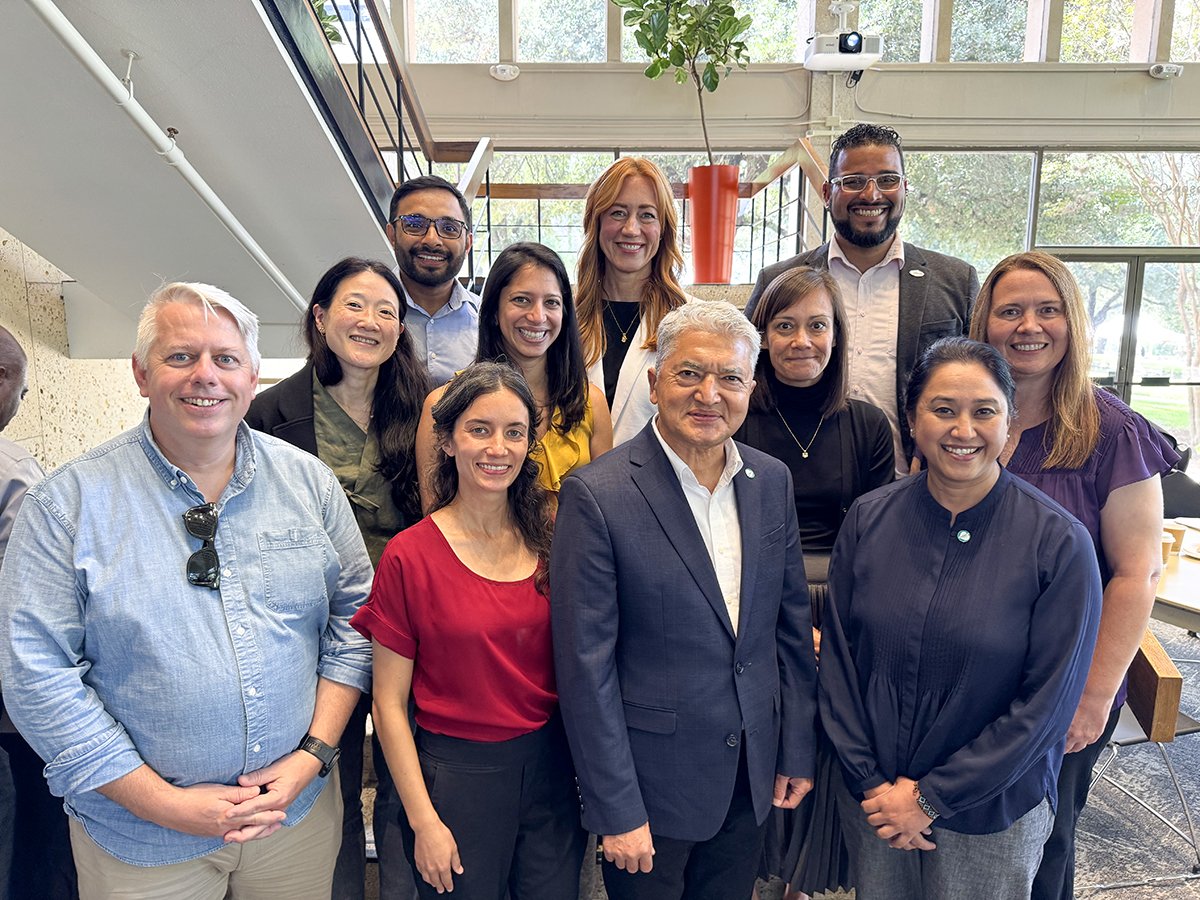
Throughout the event, leaders reaffirmed that AMPATH’s greatest innovation is not a specific medical breakthrough or technology, but the partnership itself. It is the shared trust, humility, and commitment across borders that have enabled the partnership to address some of the world’s most urgent health challenges.
The AMPATH partnership’s successes from pioneering HIV care in Kenya to advancing chronic disease research to the bidirectional exchange of trainees is rooted in that ethos. Collaboration, not competition, drives progress.
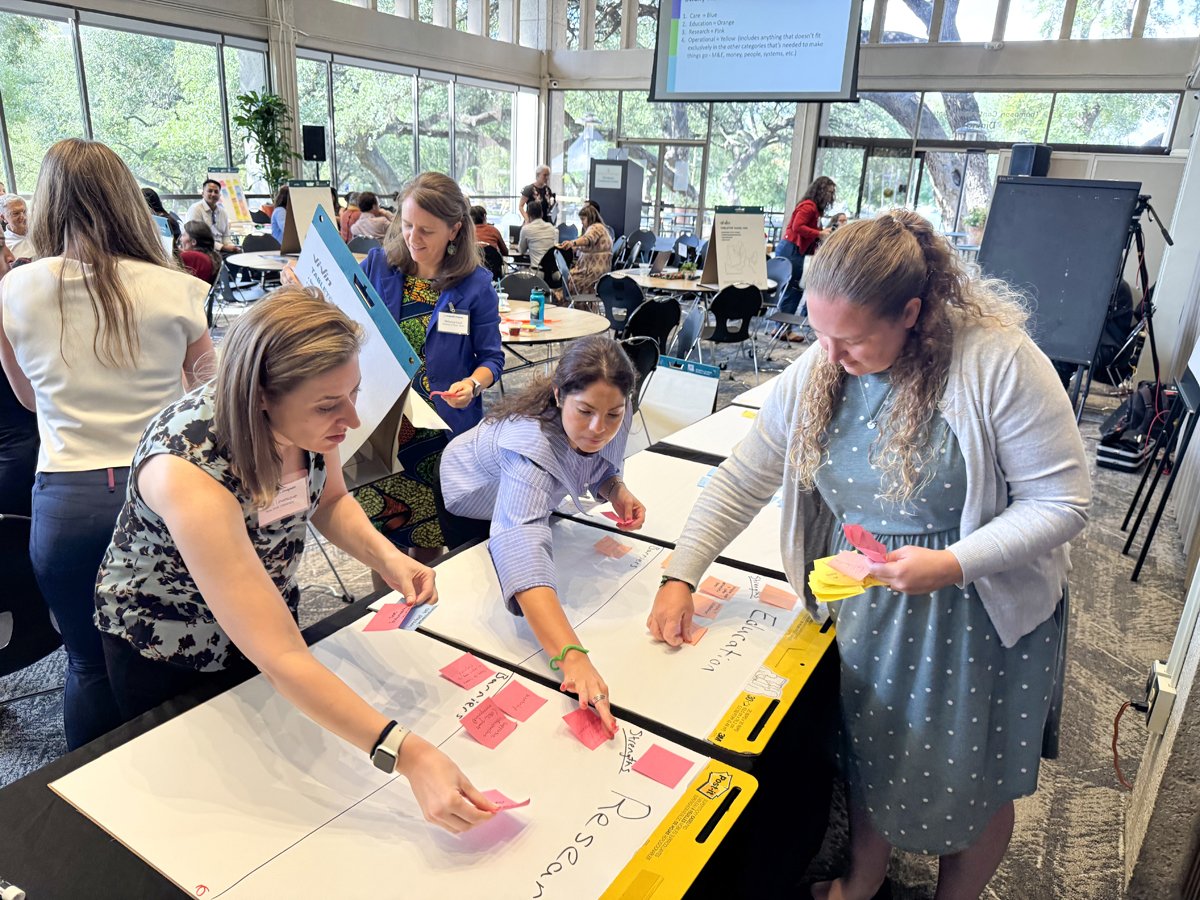
The 2025 Global Gathering also highlighted how AMPATH is harnessing new tools — research infrastructure, simulation-based training, and digital innovation — to make care more accessible and resilient. During “Action Labs,” partners shared approaches to strengthening health systems and addressing challenges such as climate change and embracing opportunities such as the use of artificial intelligence in data-driven health planning.
Leaders from AMPATH partnerships in Ghana, Kenya, Mexico and Nepal outlined their own priorities while acknowledging the impactful shift in funding priorities of national governments.
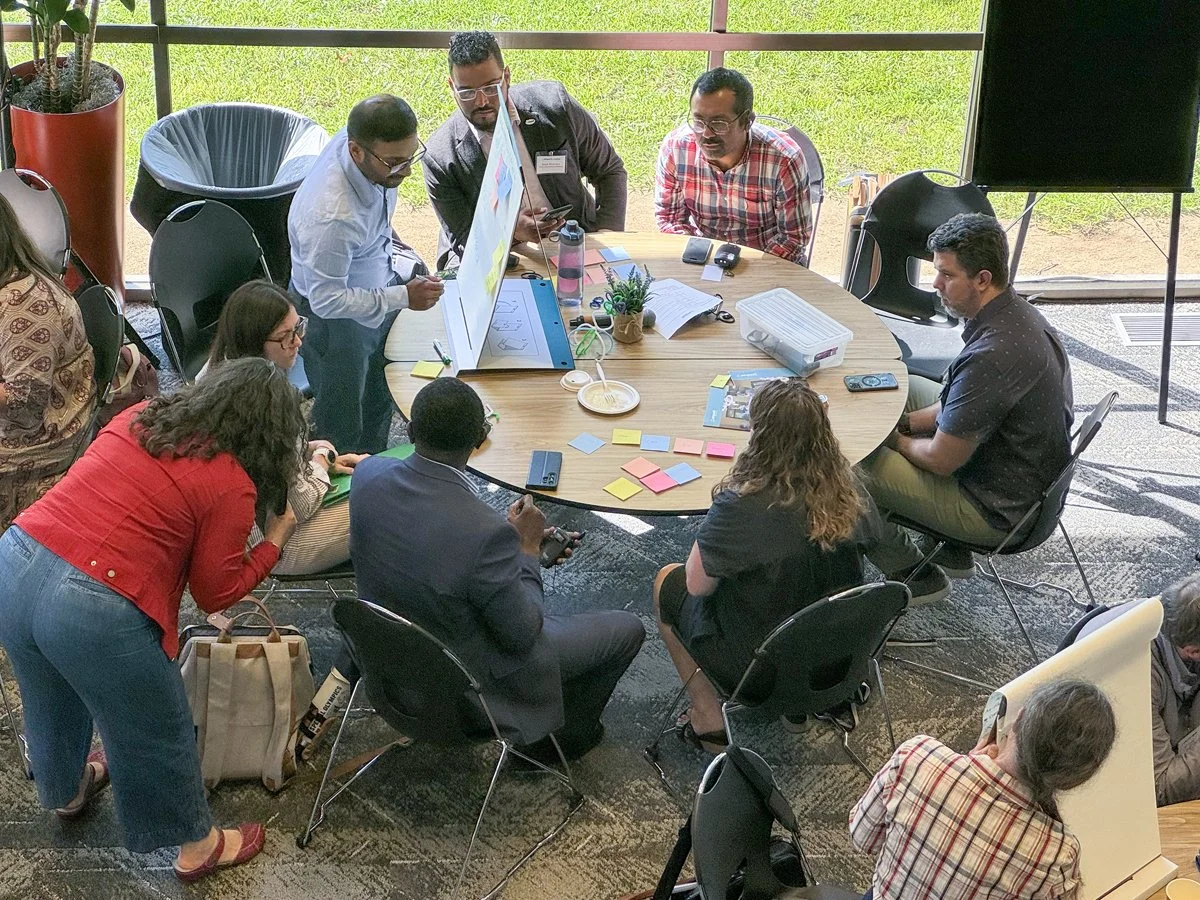
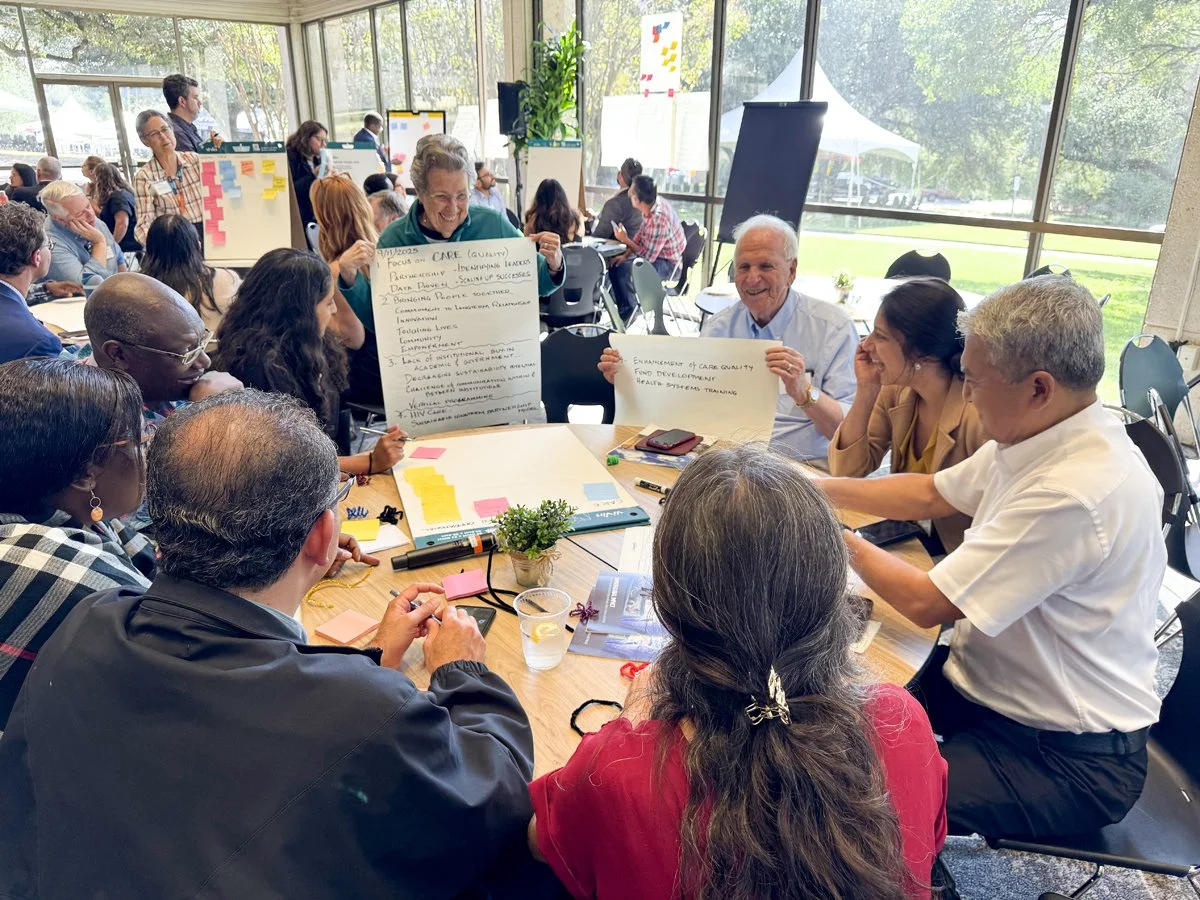
The heart of the 2025 Global Gathering was a series of visioning sessions that invited participants to imagine AMPATH’s future — exploring new collaborations, leadership models and research priorities. Conversations ranged from expanding into new regions to strengthening mentorship for emerging global health professionals.
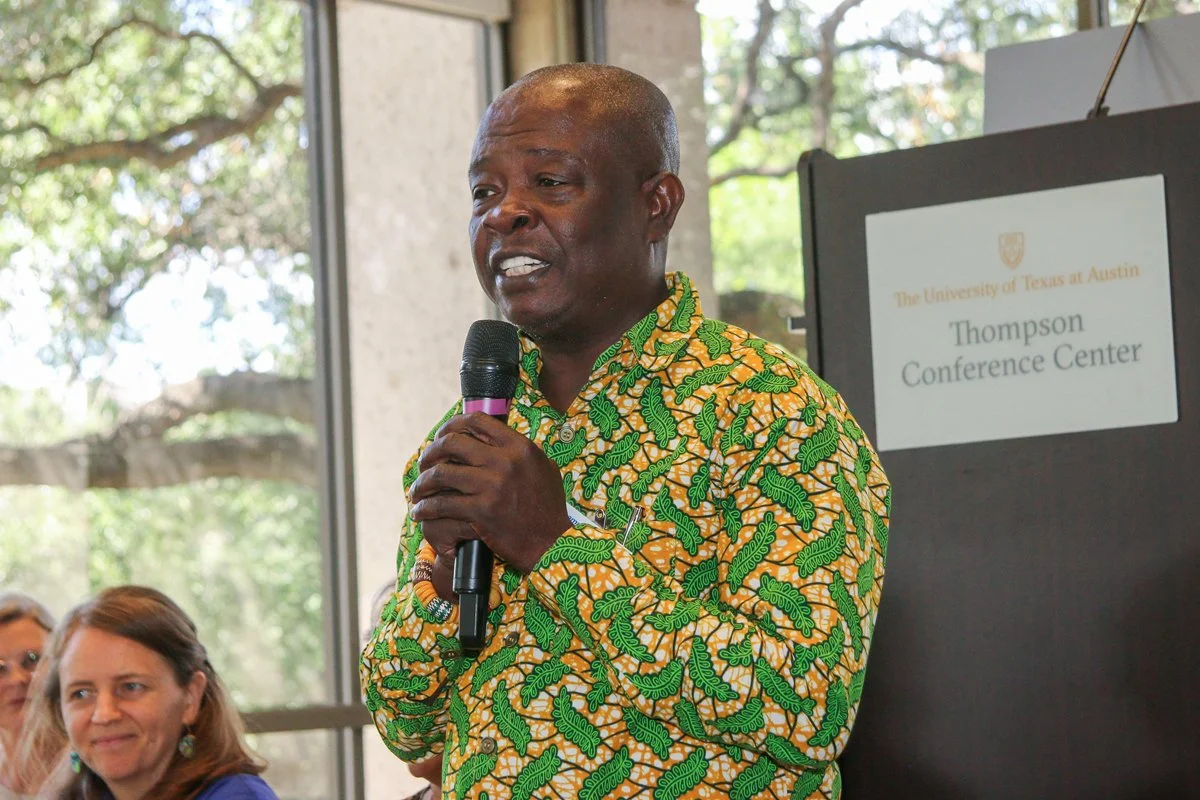
“From all the discussions we've come to a conclusion that we have differences,” said Professor Stephen Tabiri, dean of the University for Development Studies School of Medicine in Ghana. “It’s the differences that are making the team stronger.”
“I think through true, honest partnership you can multiply everything you have in your mind,” added Dr. Ram KM Shrestha, founder and executive director of Dhulikhel Hospital in Nepal.
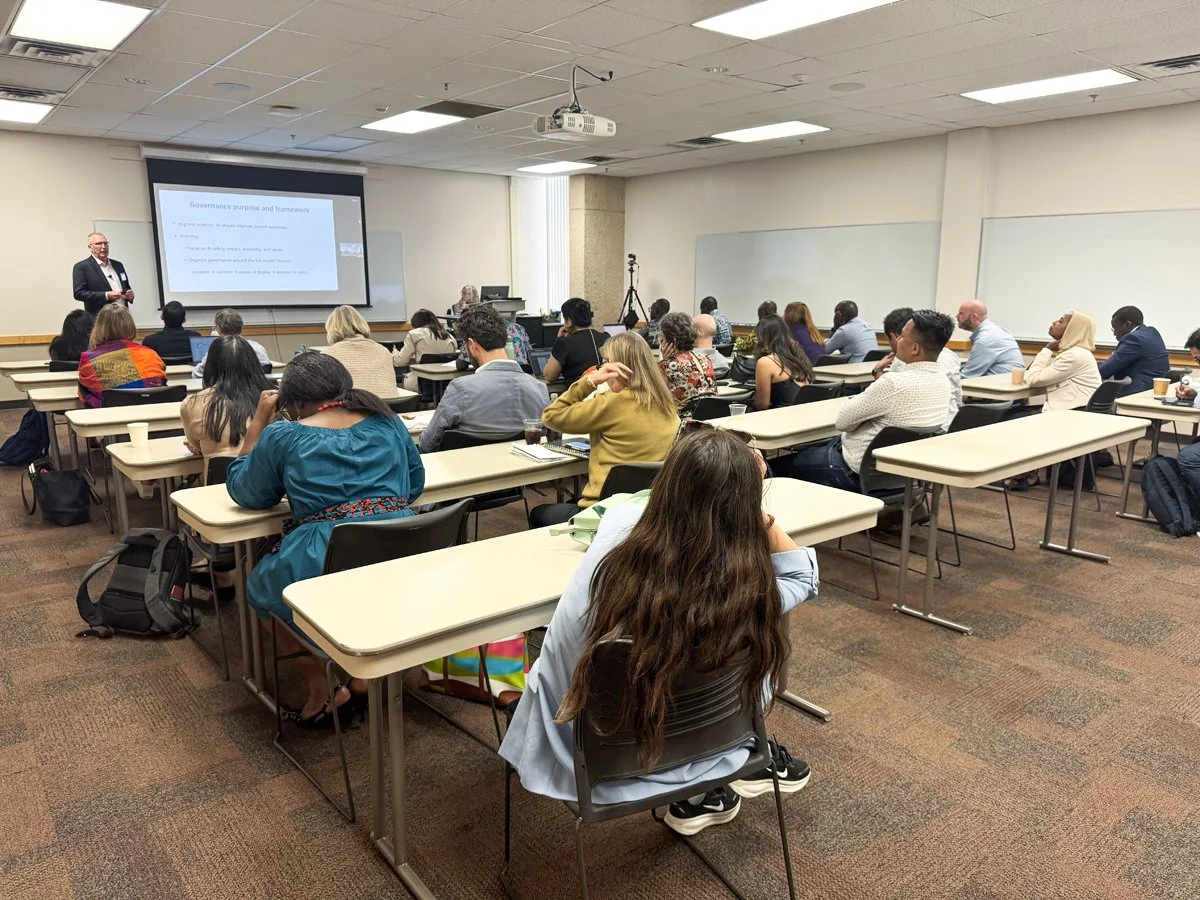

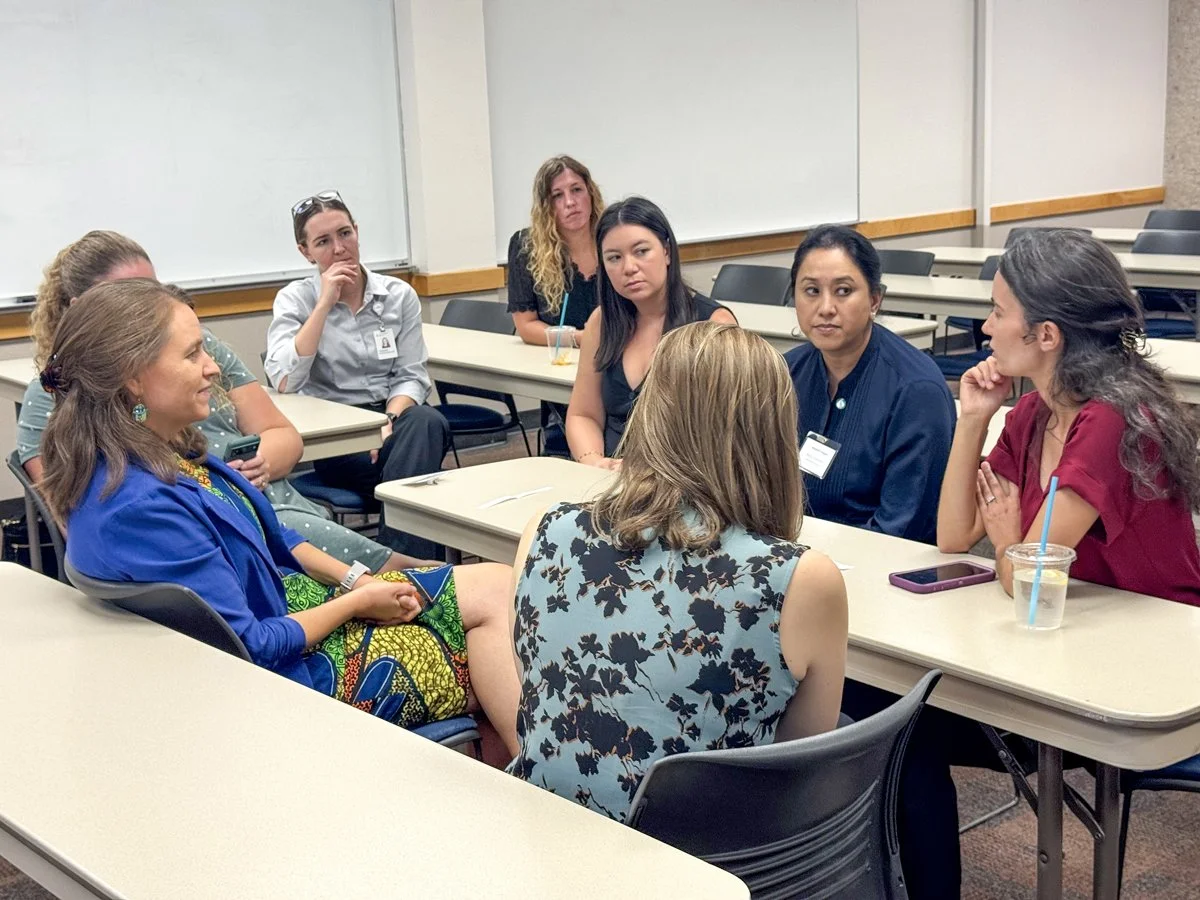

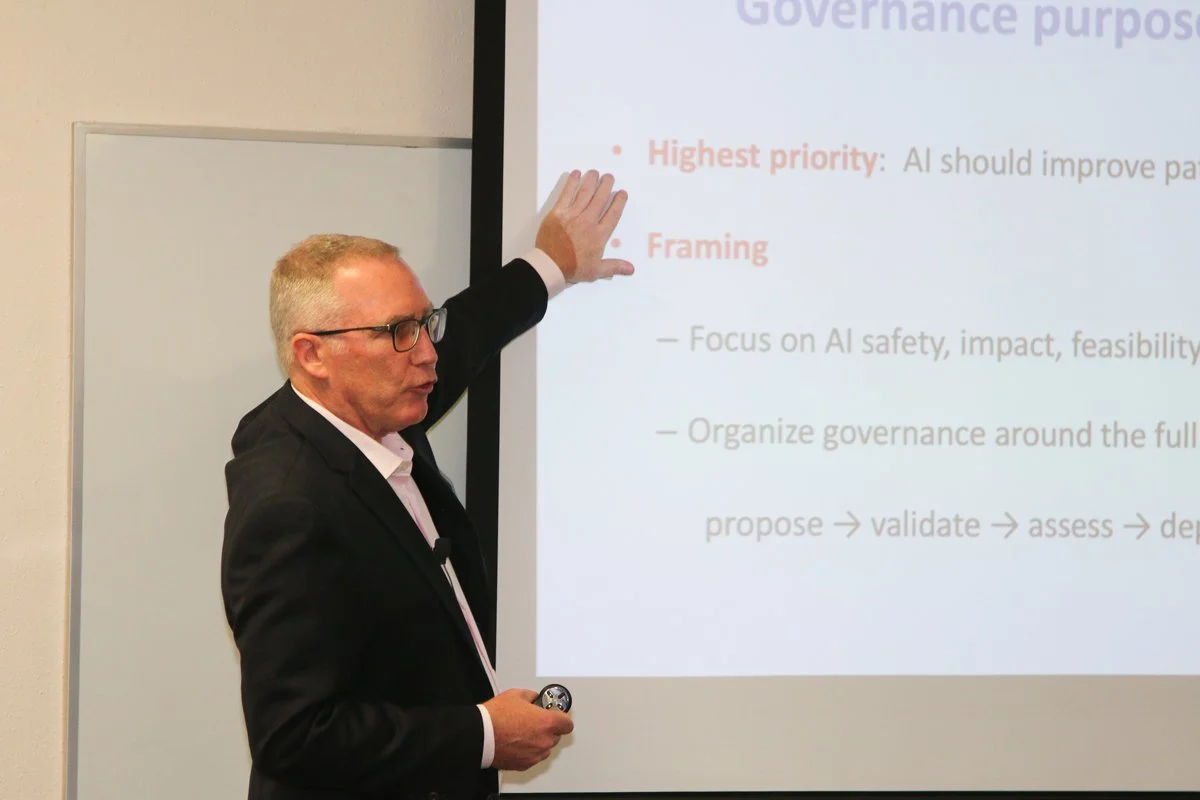
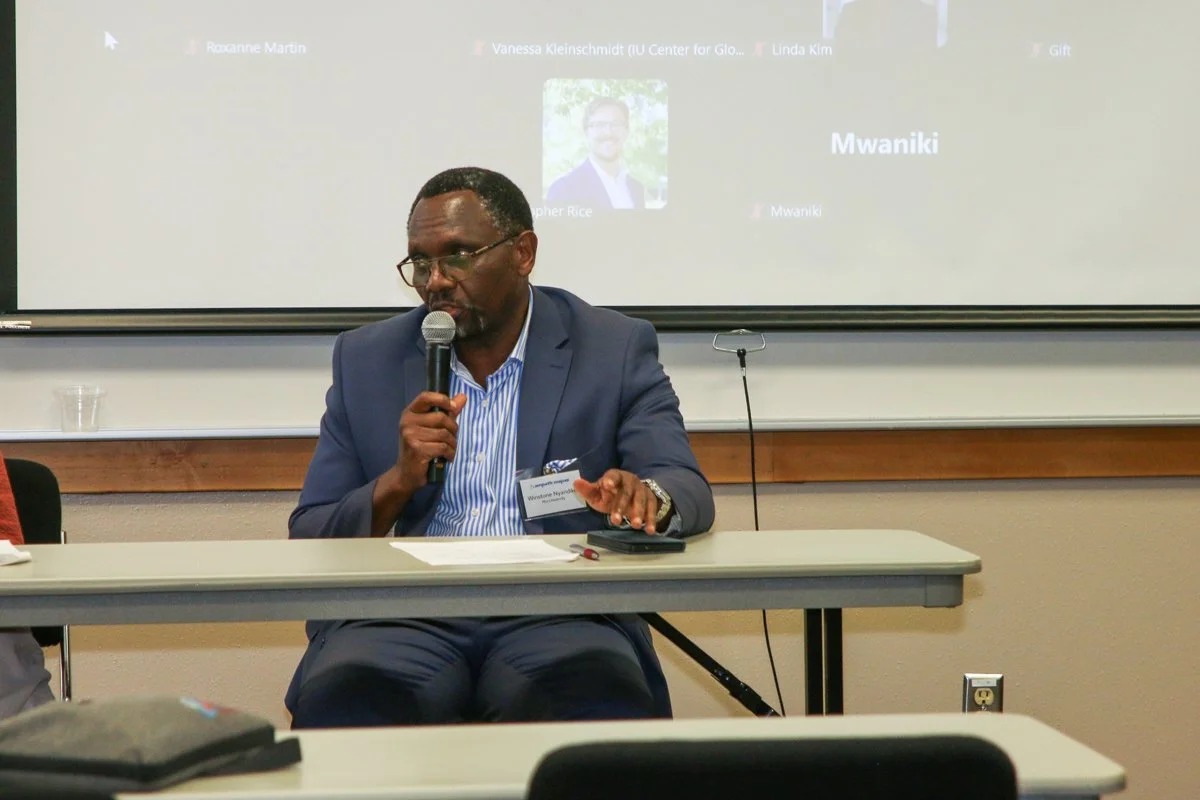
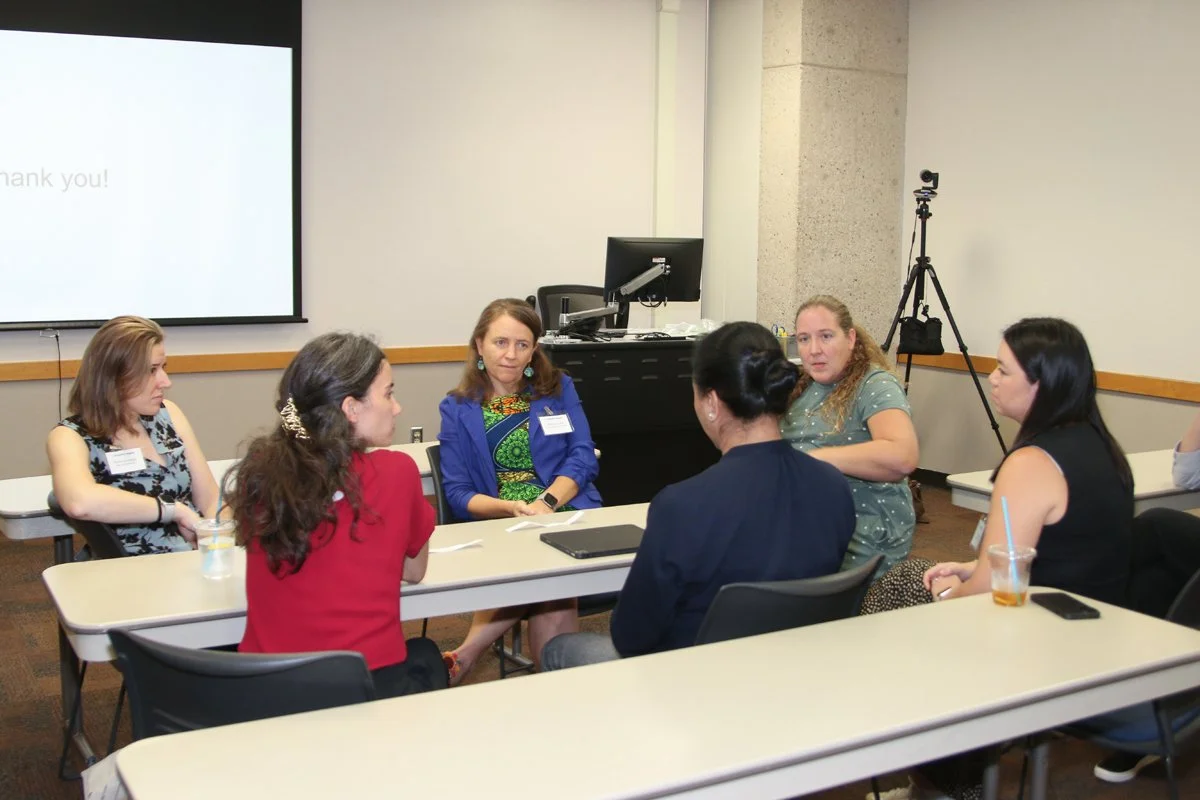
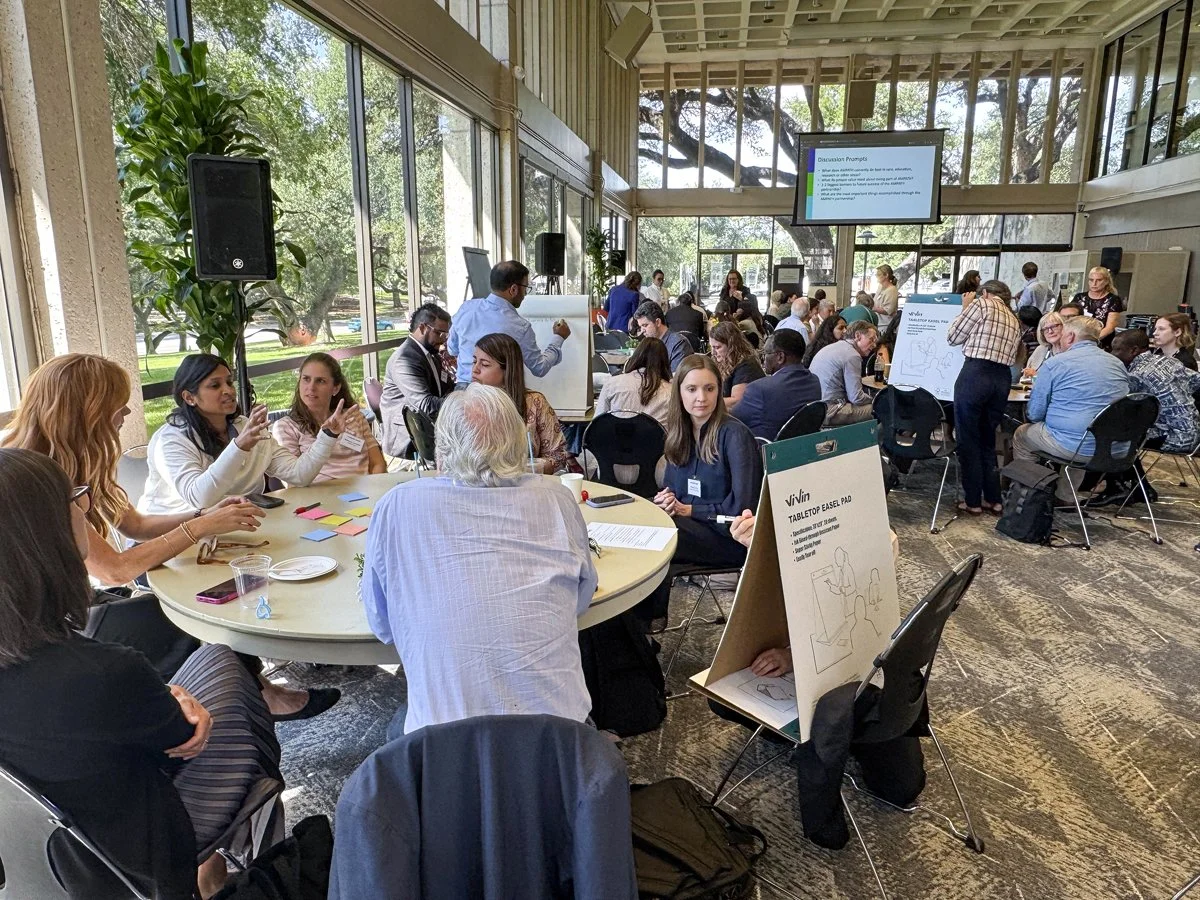
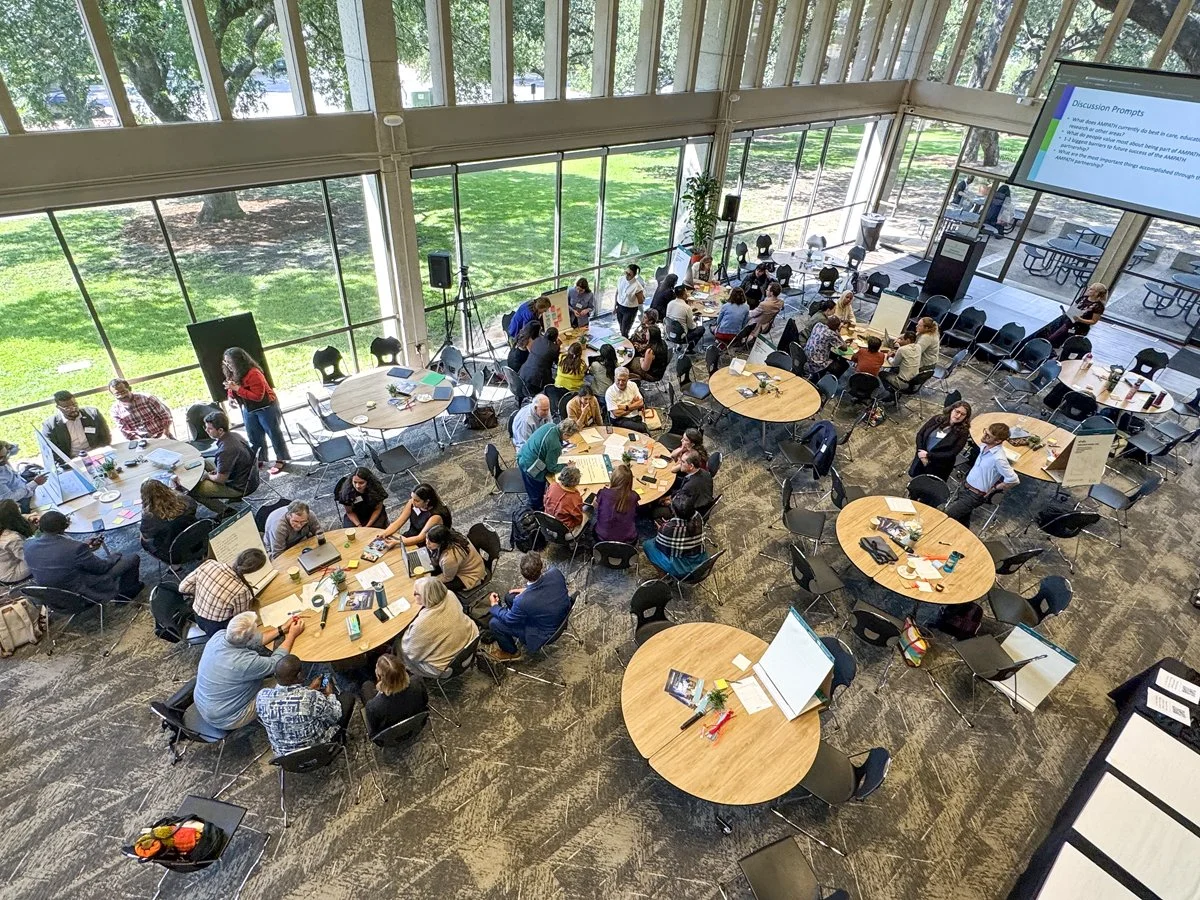

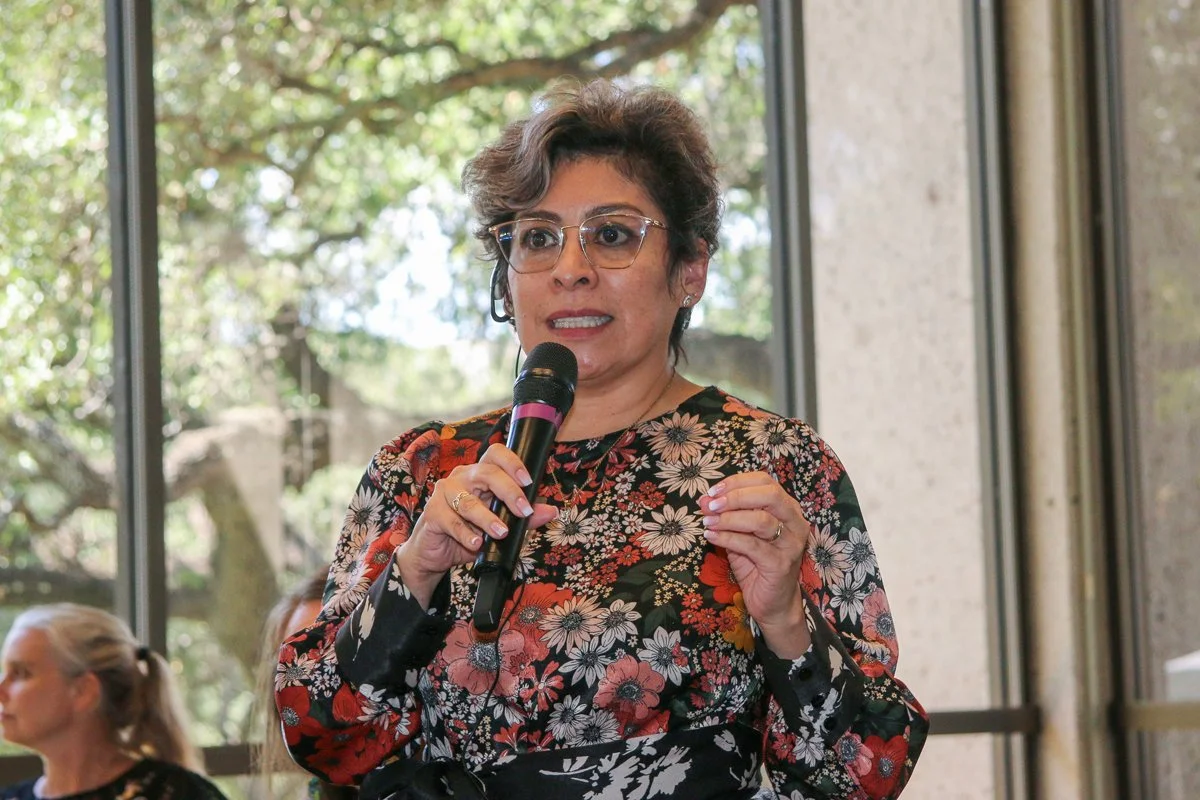
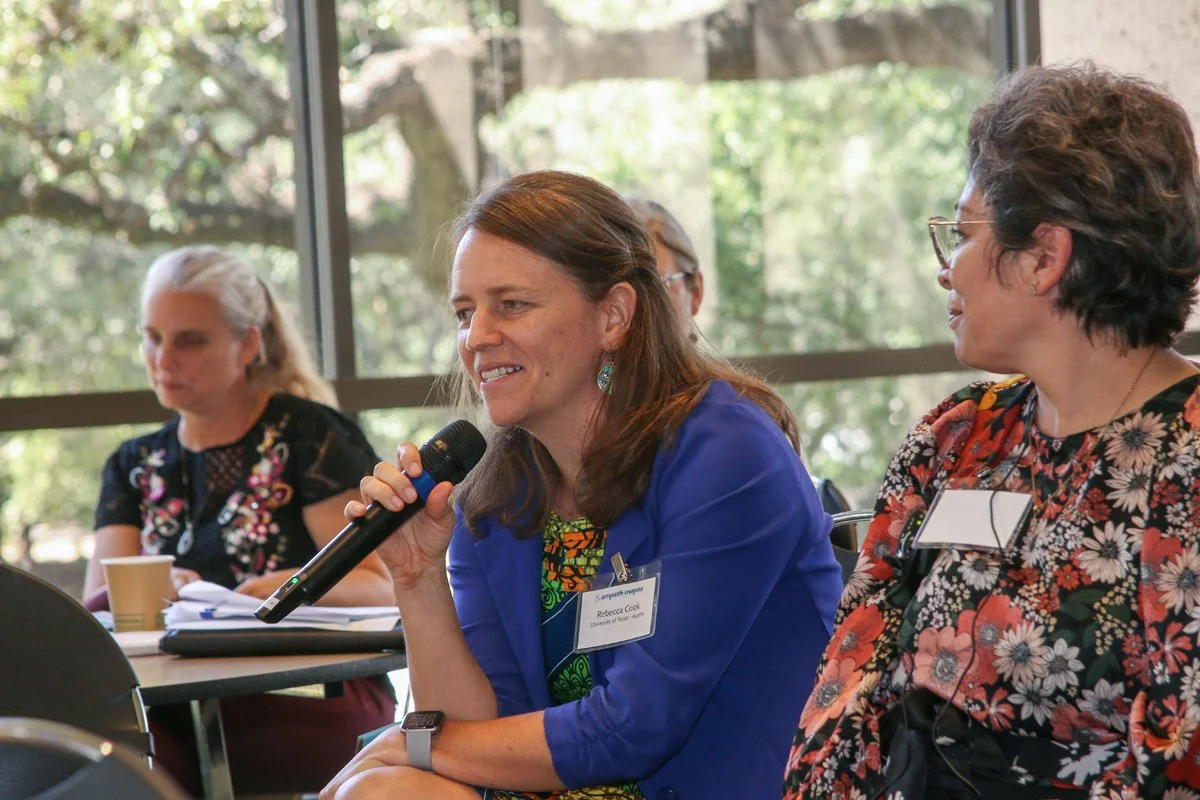


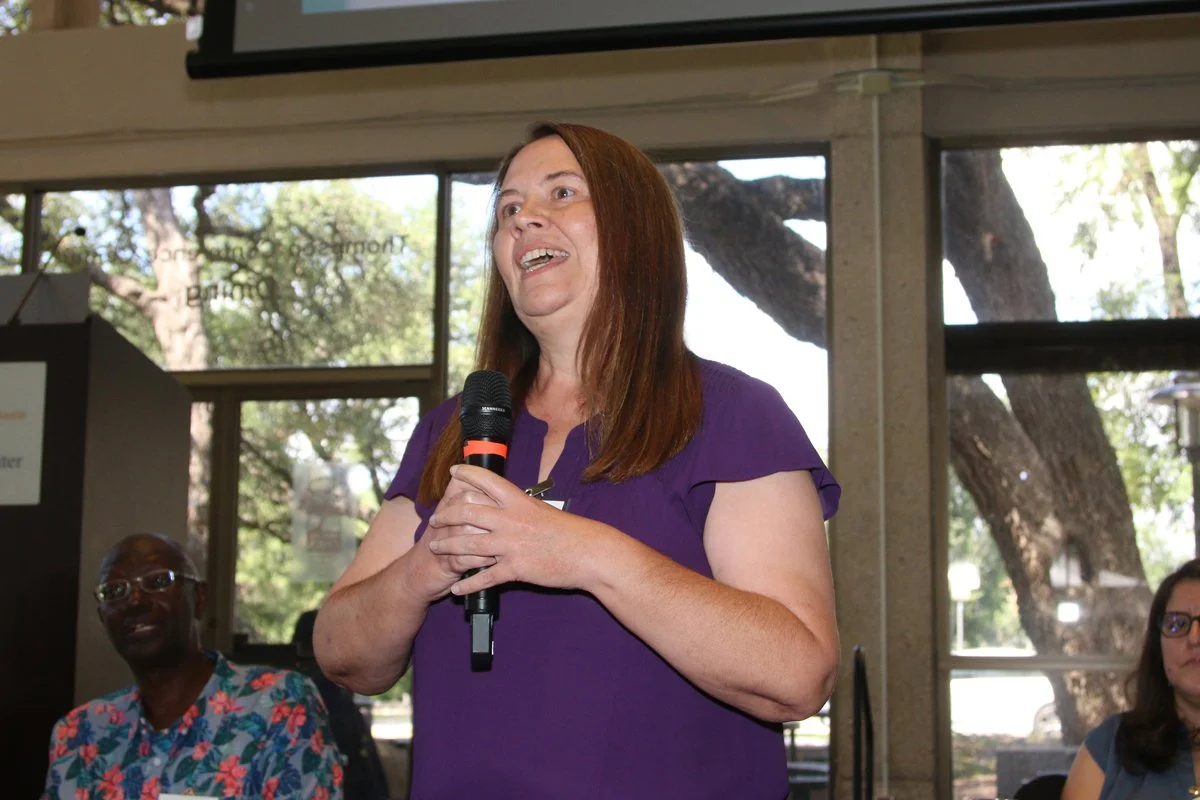
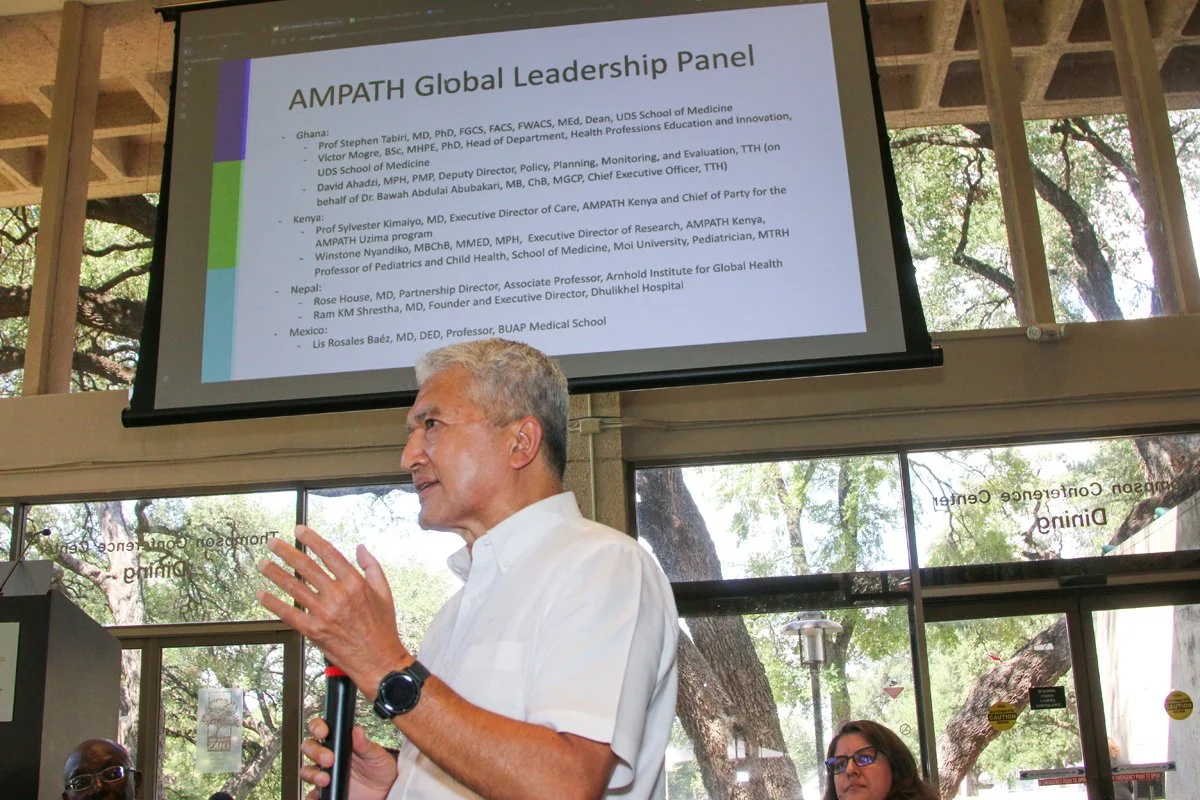
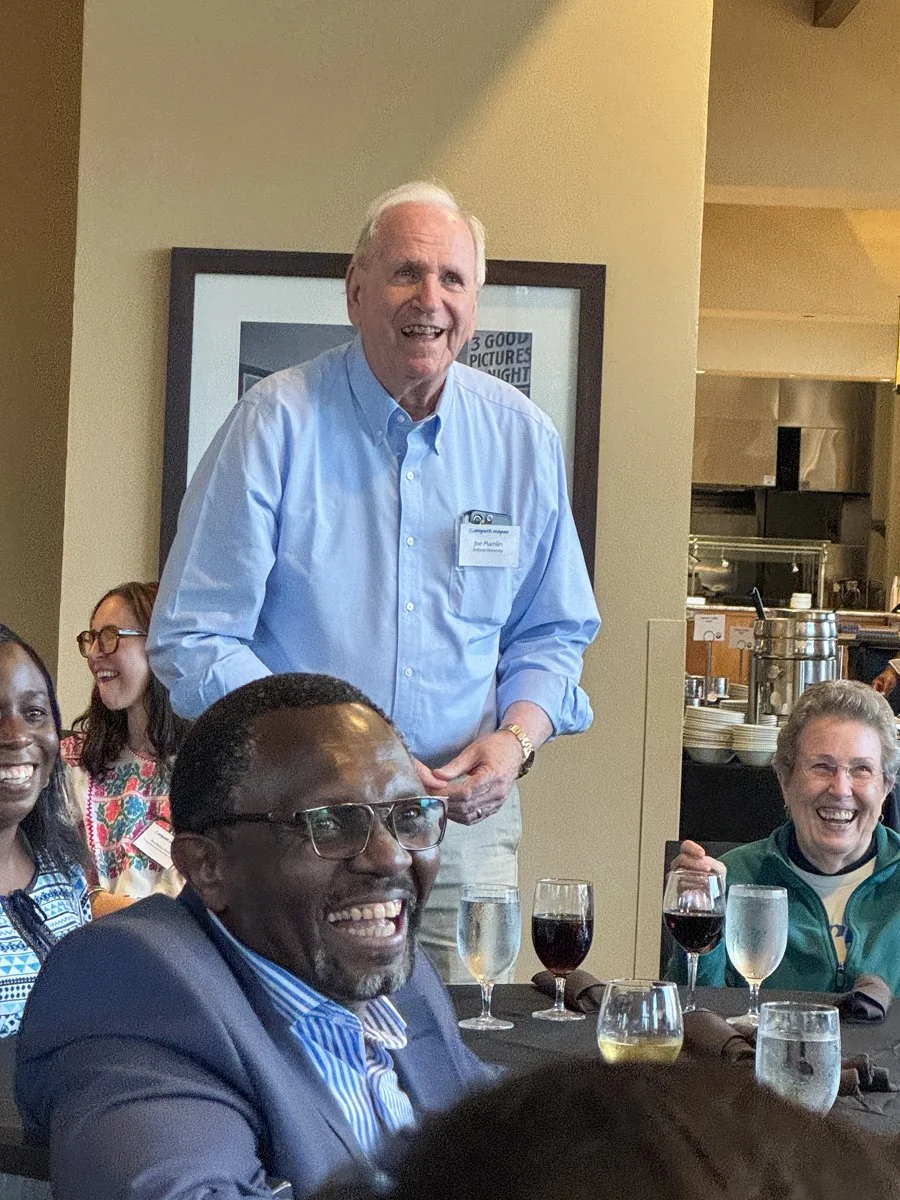


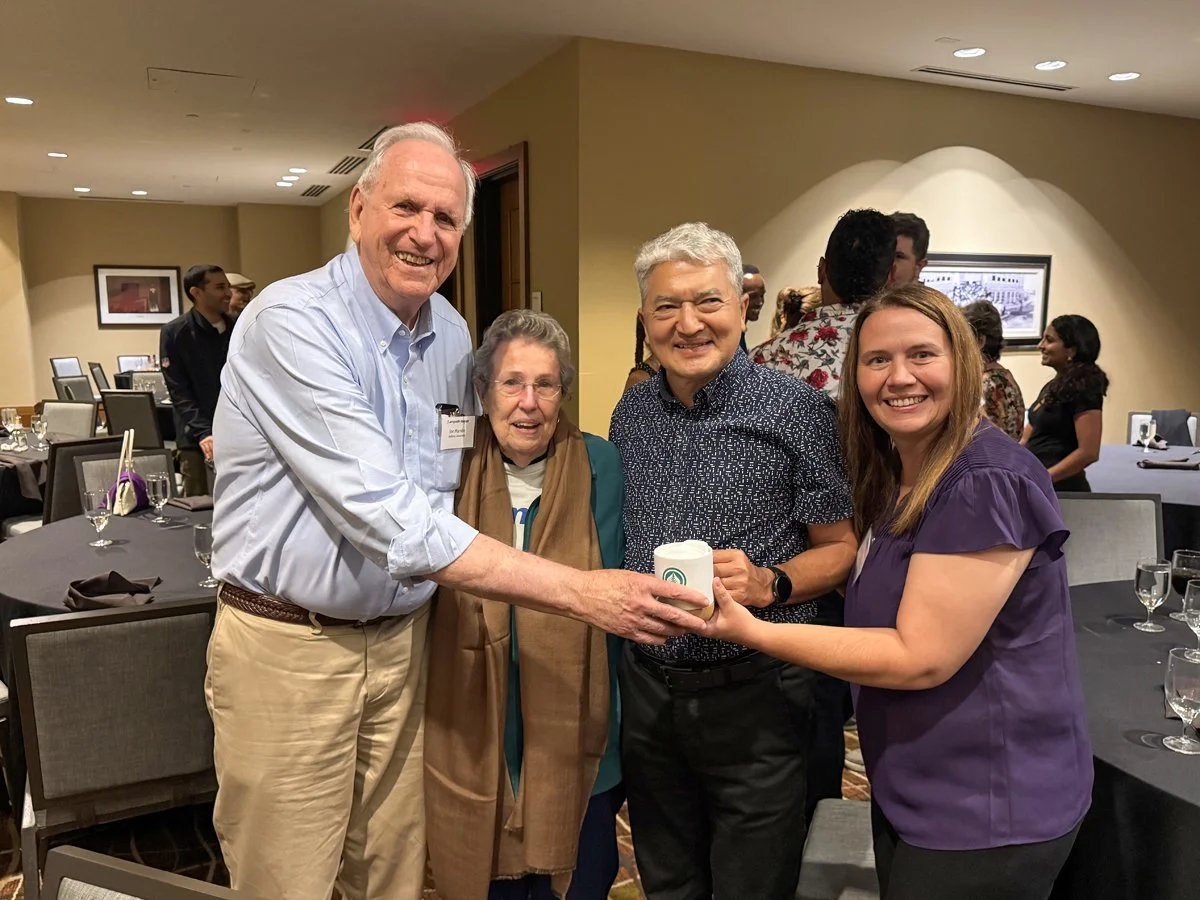
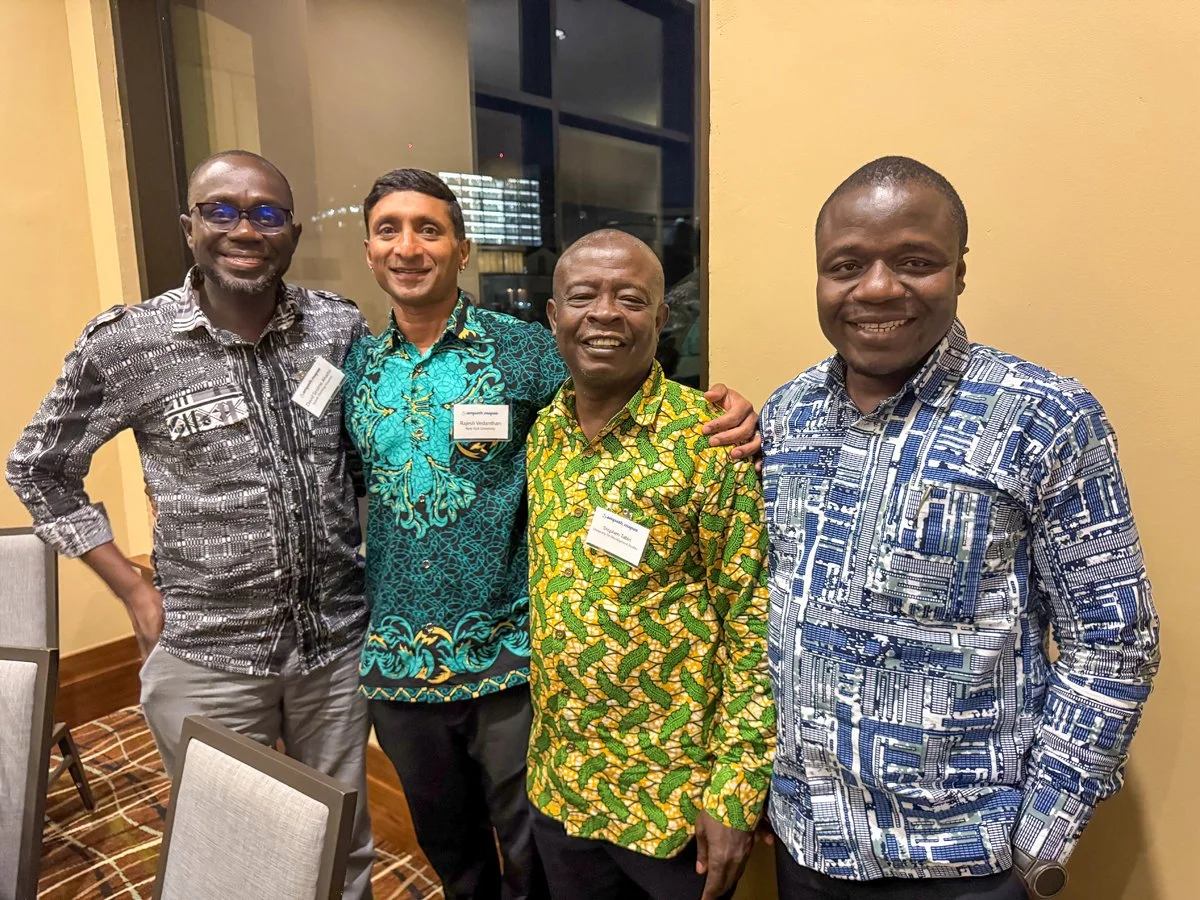

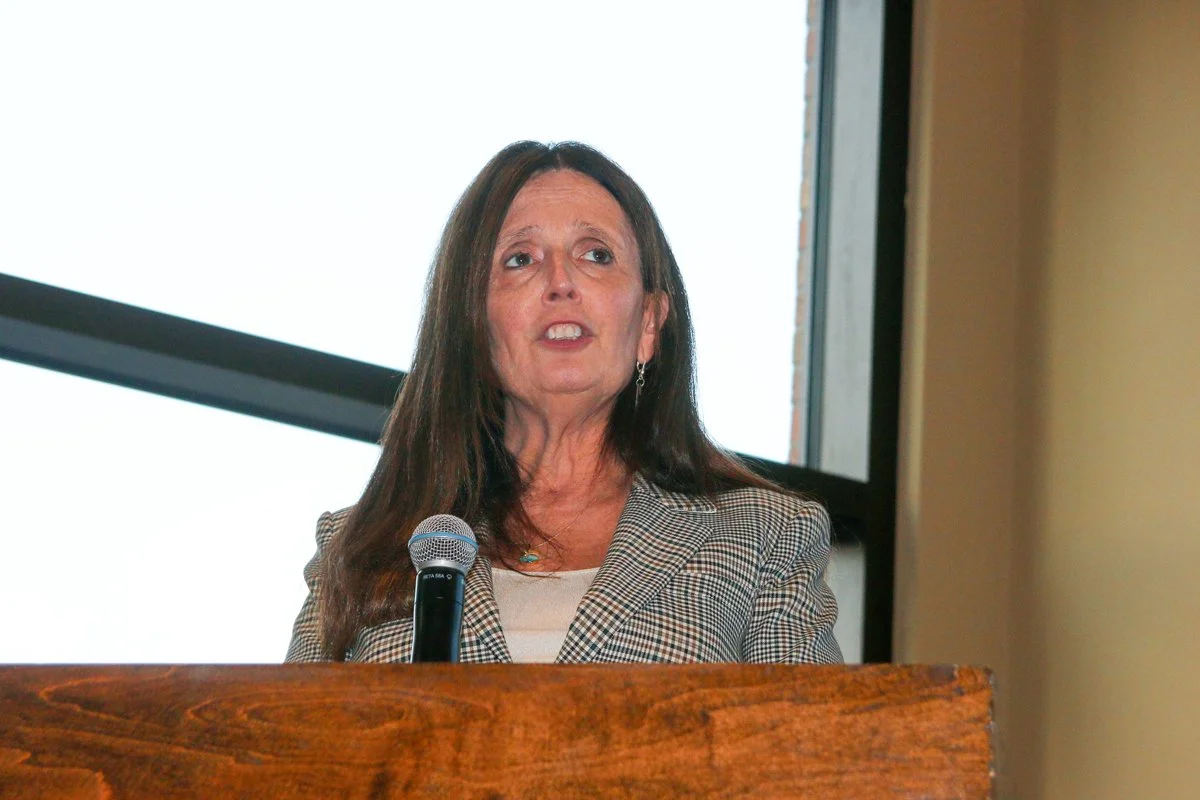
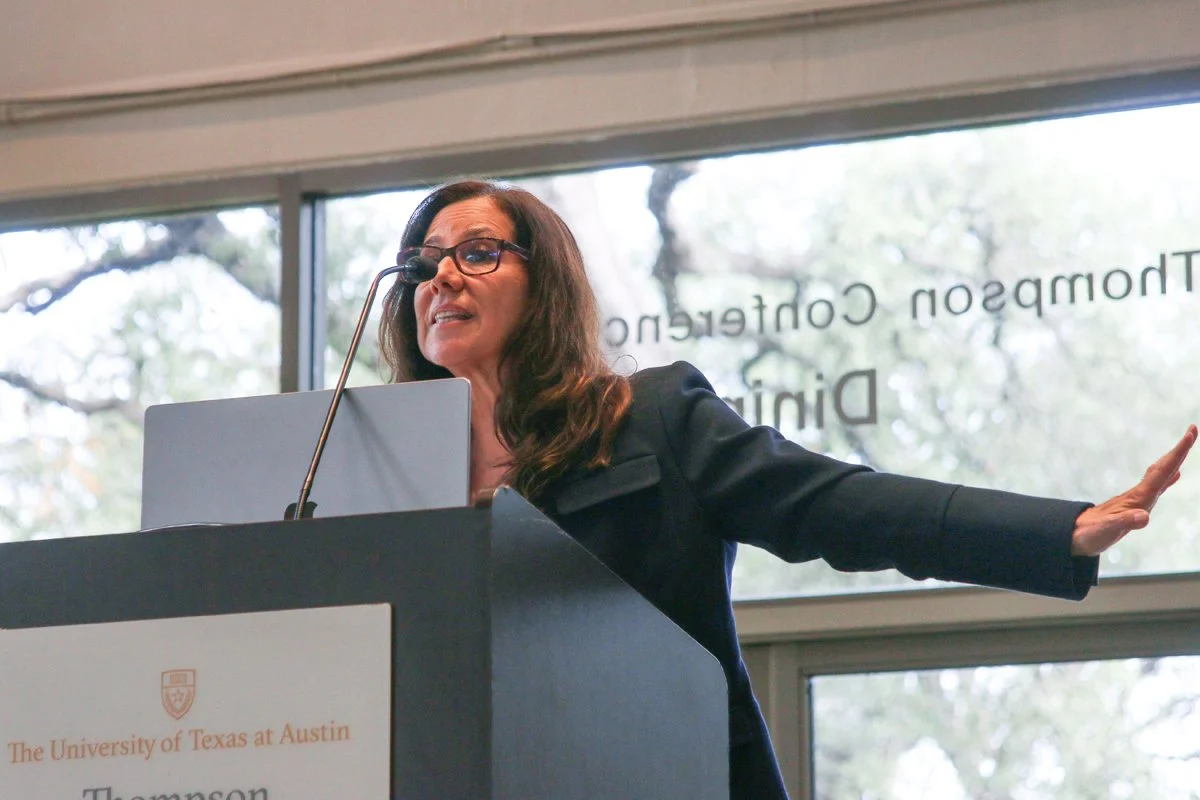
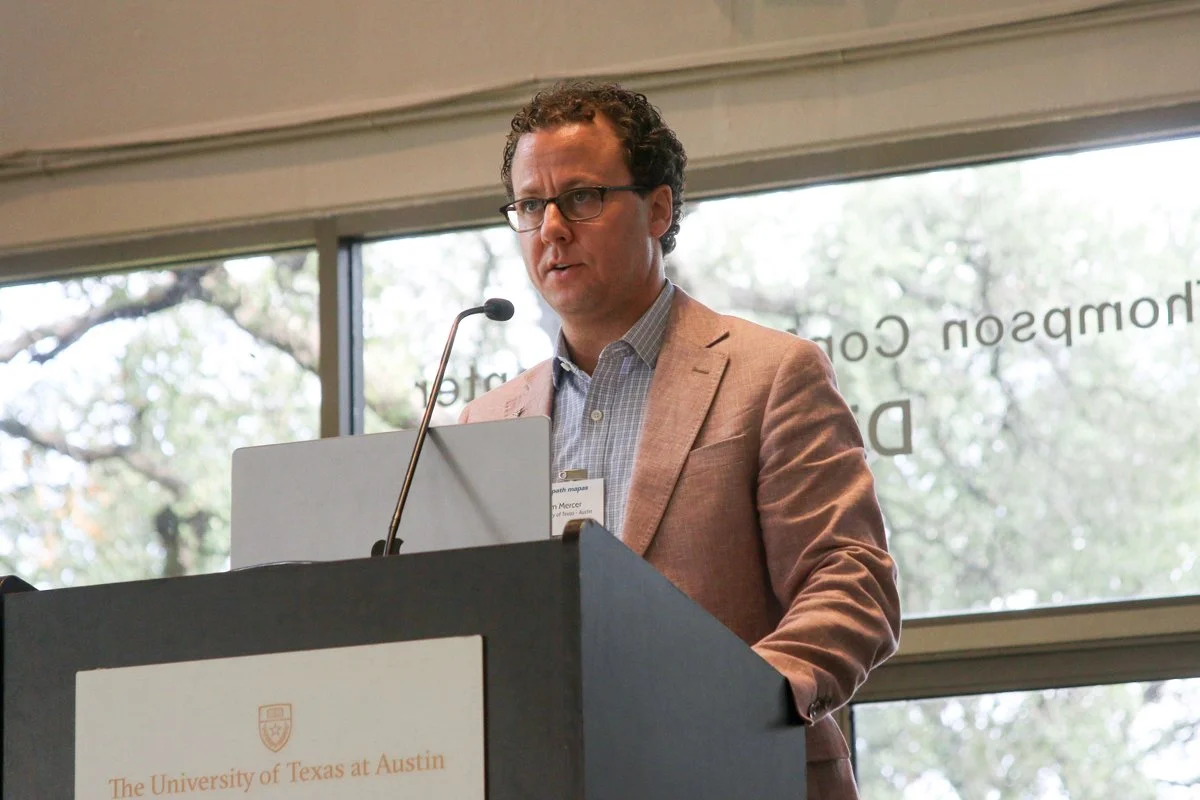
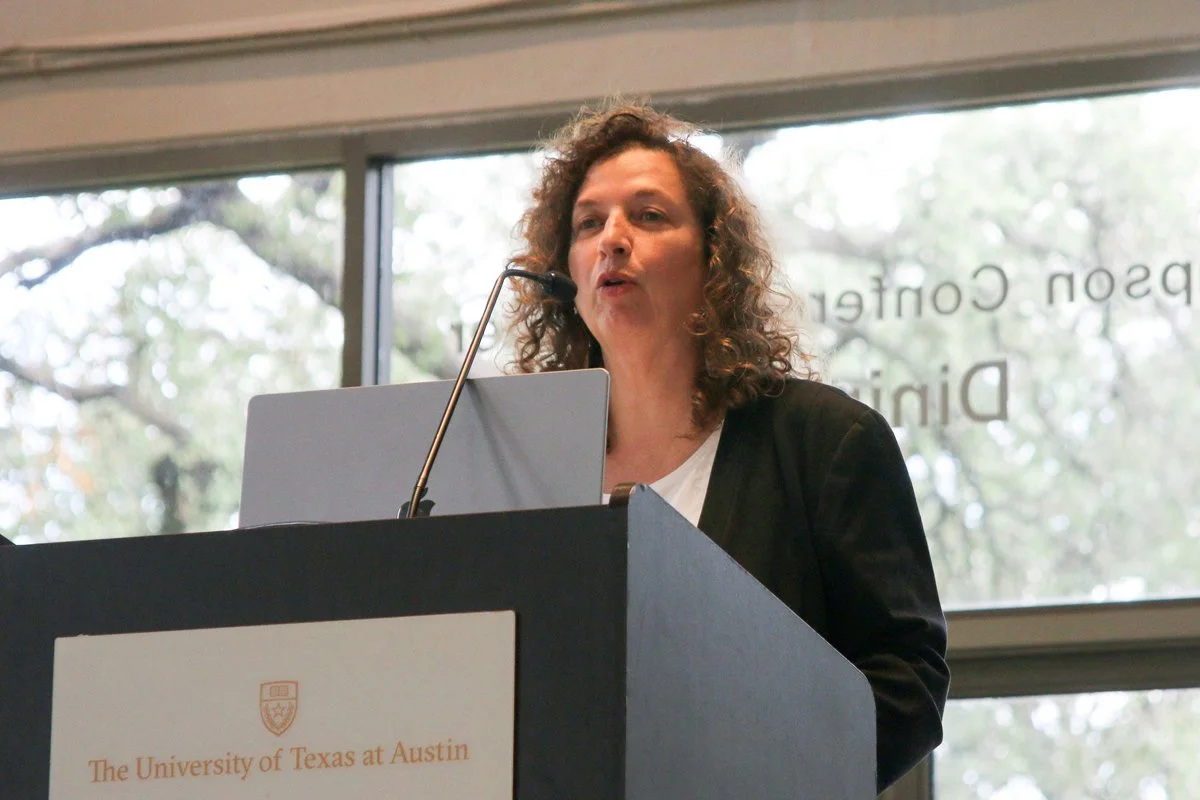

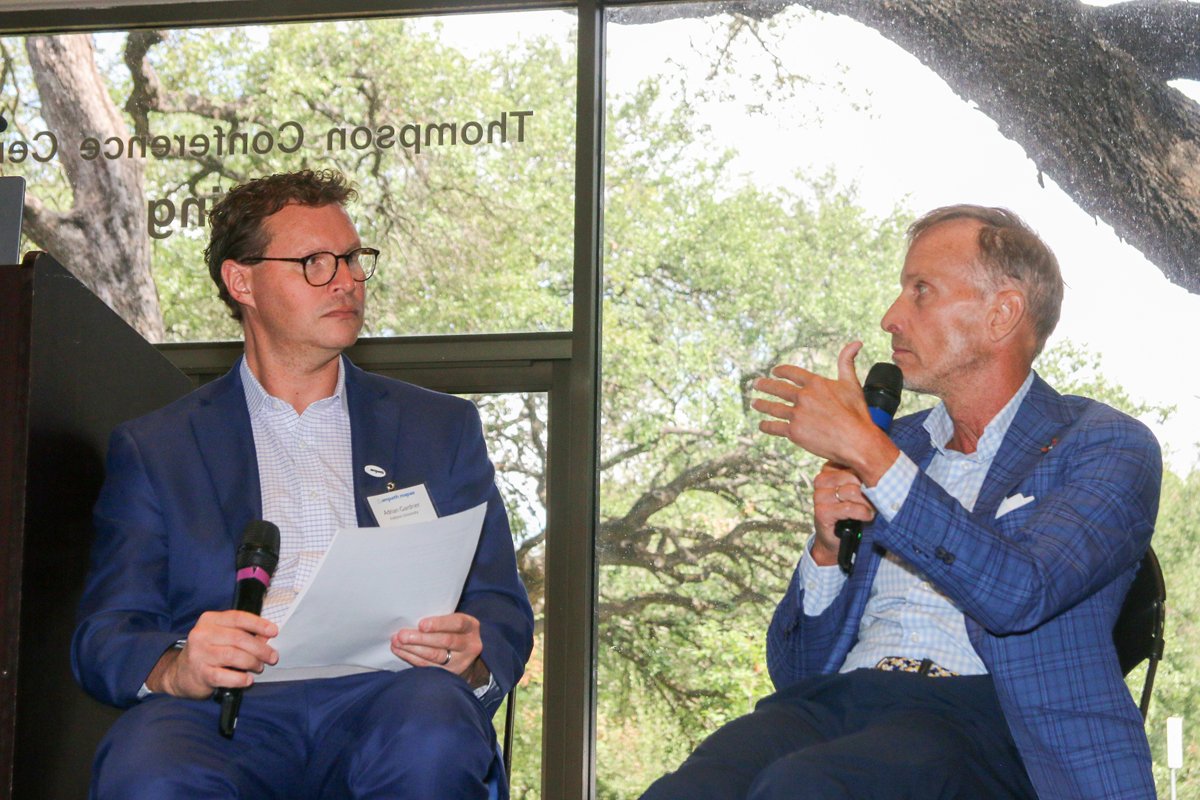
“The future of AMPATH will not be written by one person or one institution,” said Dr. Tim Mercer, chief of the division of global health at UT’s Dell Medical School. “It will be written by all of us, together.”
Story Circles featuring pairs of leaders from various AMPATH locations were a highlight of the event. Dr. Becca Cook, partnership director for AMPATH/MAPAS Mexico interviewed Dr. Lizbeth Vargas about her evolution from a medical student (pasante) participant to becoming a general practitioner with the program. Dr. Jamil Said, neurologist at Moi Teaching and Referral Hospital in Kenya, and Dr. Mercer reminisced about their time as young medical students doing a community education rotation in Kenya which formed the root of their multi-decade friendship and AMPATH collaborations.
As the event concluded, Dr. Gardner reflected on how AMPATH’s past and future are inseparable.
“Our work is not done when we leave Austin,” he said. “It is just beginning. The ideas we’ve shared here and the relationships we’ve strengthened are the foundation for what comes next.”