
AMPATH Global Expands Diabetes Prevention Efforts in Ghana, Kenya and Nepal
Making healthy choices about the foods you eat and opportunities for physical activity play an important role in preventing diabetes. For people in communities with limited resources, those choices can be especially challenging.
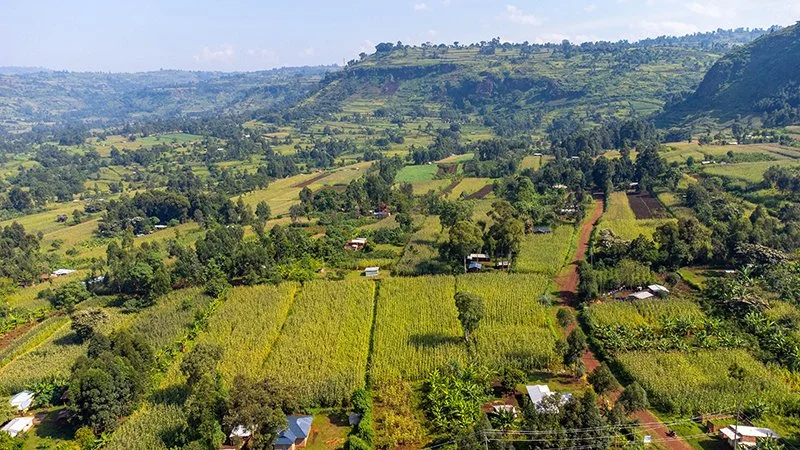
Crops in the Rift Valley, Kenya
The Academic Model Providing Access to Healthcare (AMPATH) Global partners in Ghana, Kenya and Nepal are launching a new initiative to address these challenges through culturally relevant health education, community engagement and workforce training. The two-year project is supported by a $2 million grant from the Eli Lilly and Company Foundation (Lilly Foundation) to Indiana University Foundation to support its work related to AMPATH’s efforts to strengthen diabetes prevention in resource-limited communities.
The initiative, “Food and Movement First: Scaling Diabetes Prevention through Communication Campaigns and Workforce Capacity Building,” aims to reach more than 4.1 million people across the three countries.
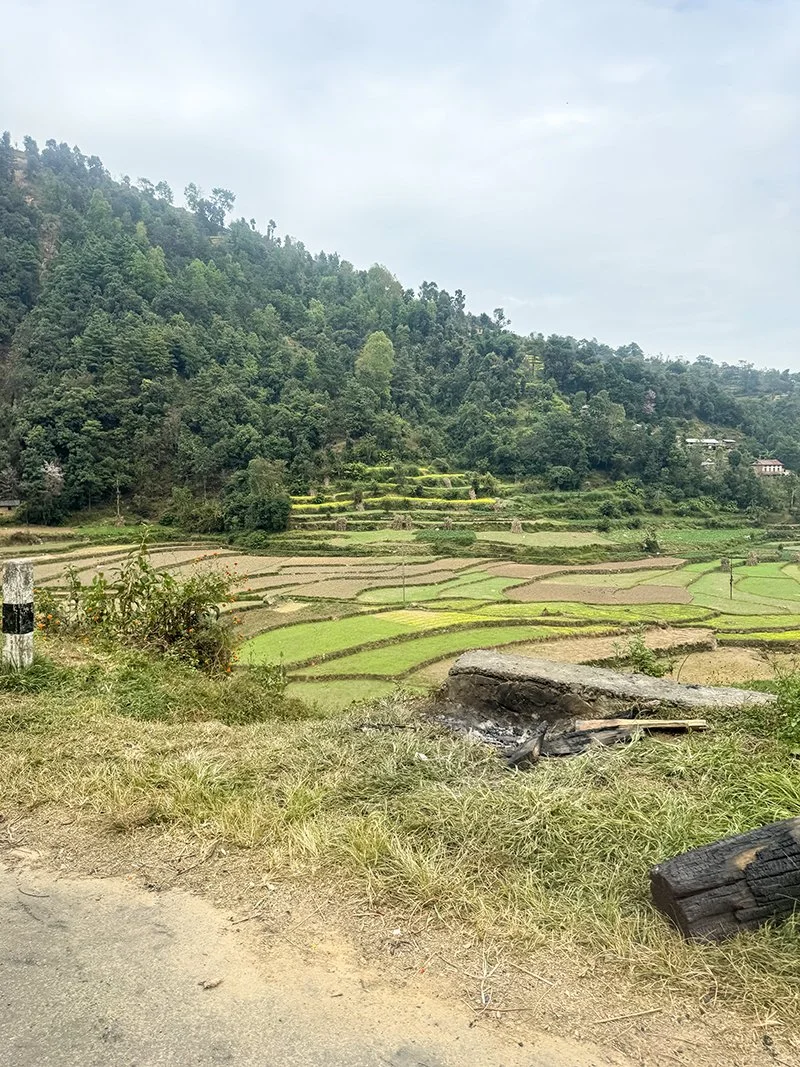
Farms in Nepal
“We know that preventing diabetes requires addressing the factors that influence people's health long before they enter a clinic,” said Matt Turissini, MD, principal investigator for the initiative. “By working with our in-country partners and local communities to develop practical approaches to healthy eating and physical activity, we have an opportunity to make diabetes prevention more accessible and sustainable.”
Building on AMPATH's Experience
The new initiative builds on AMPATH Global's ongoing work to improve prevention, diagnosis and treatment of noncommunicable diseases (NCDs) in Ghana, Kenya and Nepal. The new project emphasizes prevention through healthier lifestyles and community education.
Across all three countries, AMPATH partners will work with healthcare professionals, community health workers, local organizations and residents to develop messages that reflect local cultures, languages and resources. Communication campaigns will use radio, television, social media and trusted community networks to share practical information about nutrition, physical activity and diabetes prevention.
Local Solutions for Healthier Communities
Although the three countries share growing challenges related to diabetes and other chronic diseases, each AMPATH partnership will tailor activities to local needs.
In Ghana, AMPATH partners will engage local food outlets and students through cooking demonstrations, nutrition education and community campaigns. “Our goal is to make diabetes prevention part of everyday conversations and activities in our communities,” said Dr. Odalys Rivera, physician specialist at UDS School of Medicine and Tamale Teaching Hospital. “By engaging healthcare workers, students and local businesses, we can help people identify healthy choices that are realistic, affordable and culturally appropriate.”
In Kenya, the project will combine community education with nutrition and agricultural activities. Farmers will receive support to diversify nutritious food production. “We want to help communities put that knowledge into practice by connecting nutrition education with local food production, community activities and trusted sources of information,” said Dr. James Akiruga Amisi, leader of the AMPATH Kenya efforts.

Market produce in Ghana
In Nepal, activities will include cooking workshops, community education campaigns and opportunities for young people and adults to develop locally appropriate approaches to healthy living. “This initiative will allow us to work with local partners to develop messages and activities that reflect how people live, what foods are available and the opportunities they have to be physically active,” said Dr. Neha Limaye, project leader for AMPATH Nepal.
Creating lasting impact
An important component of the initiative is building local capacity to sustain prevention efforts beyond the grant period. AMPATH partners will train healthcare workers and community leaders, develop educational resources that can be reused and integrate successful approaches into existing health systems and community programs.
The project will also evaluate changes in knowledge, attitudes and behaviors to identify effective strategies that can be adapted and expanded.
“The Lilly Foundation is committed to supporting charitable efforts that improve health in resource-limited communities,” said Cynthia Cardona, president of the Lilly Foundation. “Through this grant to Indiana University Foundation, we hope to support its work related to AMPATH's efforts to empower communities with practical tools and knowledge to prevent diabetes and build healthier futures.”
By combining the expertise of academic and healthcare partners with community leadership, AMPATH Global aims to make diabetes prevention a practical part of everyday life in Ghana, Kenya and Nepal.